Our Story
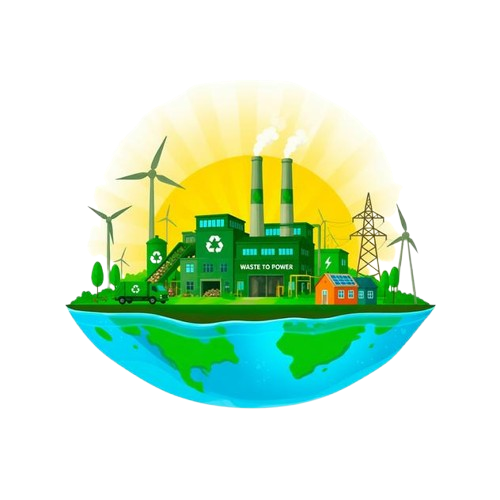
Nam Eco Energy (pty) Ltd, presents a transformative waste-to-power initiative designed to convert municipal and organic waste into clean renewable electricity without sorting the waste out. The Plant will be equipped with a state-of-the-art air pollution control system that complies with international standards, including those set by the European Union, ensuring minimal environmental impact.
The Phase 1 project targets a 1MW capacity facility processing 20 tons of waste daily powering at least 600 homes to 1000 houses, with an ambitious vision to scale to 120+MW serving approximately 120,000+ homes across Namibia and neighbouring regions.
Our Approach
We are moving beyond the outdated model of dependency on external borrowing. Africa holds the key to its own progress — through rare earth minerals and strategic energy potential.
That’s why we are establishing a mining subsidiary, legally registered in Namibia, to export these minerals to trusted US and European off-takers and use the proceeds to finance Namibia’s energy future.
Our Vision
To be a pioneering leader in the green Energy industry in Namibia and the Southern African region, setting new standards for sustainable, clean, and renewable energy solutions that drive economic growth and environmental preservation.
Our Mission
To develop and deploy innovative green Energy production, utilizing waste-to-energy technologies, to generate electricity that is reliable, cost-effective, and zero-emission. We aim to transform Khomas region into a regional hub for green energy solutions, fostering sustainable development and a resilient energy future.
Waste Recycling Power Generation Unit
A hybrid next-generation system built for 24/7 operation—transforming waste into clean, sustainable energy. And running on alternative sources in the absence of waste to power the plants.
Milestones
Local partners
Bargainings are underway with Nored, City of Windhoek and Nam-Power to sign a purchase power agreement / Offtake agreement, Together, we can align on a bold vision — generating 120+MW of electricity for Namibia’s own use, with strong backing from government leadership
International partners
Cross River Eco Energy, a Nigerian entity which is already operating the same project. If funded successfully they are the ones to construct and install the plant with their European partners
Mining Operations
EPL’s are underway and permits from ministry of mines and energy for (Heavy rare earths)
Namibia Green Hydrogen Project
Raising money locally is a challenge however last year in November 2025, the Namibia Green Hydrogen Programme, under the stewardship of the Environmental Investment Fund, highlighted Namibia’s invitation by the Climate Investment Funds (CIF) to participate in a significant green hydrogen initiative. The program involved a development fund of USD 250 million from various multilateral development banks and financial institutions, aimed at promoting high decarbonization projects. A call for project proposals was issued, receiving applications from 149 entities. Out of these, 78 entities were shortlisted, including our project, due to its high decarbonization potential and alignment with Namibia’s sustainable development goals.
Khomas Coverage
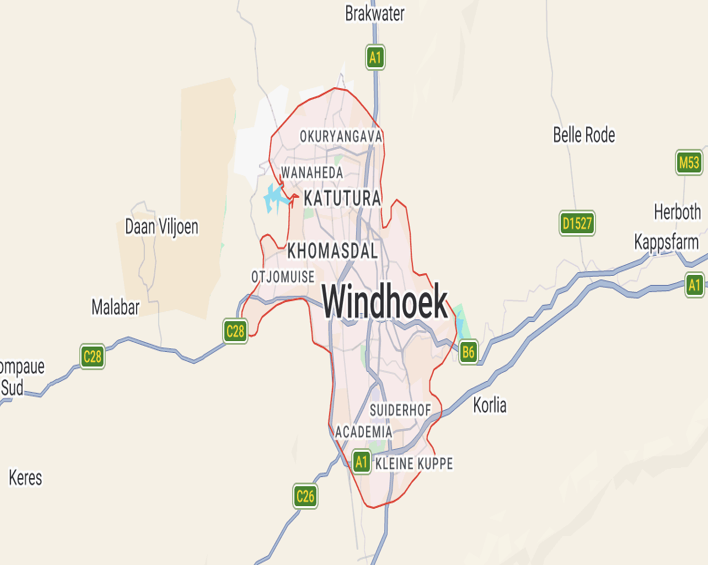
Our energy mission spans every region — from Windhoek to the rest of Namibia. No household or business will be left behind.
Innovative Eco-Technologies
Our Waste Recycling Power Generation Unit (WRPGU) merges cyclonic-vortex and thermal processing — an approach aligned with UN-backed climate frameworks. The result: cleaner power, zero emissions, and smarter waste handling.
Core Engineering Features
Cyclonic-Vortex Flow
Advanced separation system that maximizes efficiency in waste intake and pre-processing.
High-Efficiency Thermal Processing
Capable of 1000–1300°C combustion with full heat recovery and reduced fuel consumption.
ORC Integration
Organic Rankine Cycle system enables stable low-emission electricity generation from waste heat.
Environmental Performance
- Waste Volume Reduction95–97%
- Harmful EmissionsZero
- Moisture ToleranceUp to 75%
- Pre-Sorting NeededNo
How Our Technology Works
Discover our full-cycle waste-to-energy process — from collection to clean electricity — built around sustainability and patented engineering.
Step-by-Step Process
- 1
Waste Collection
Waste materials are collected and fed directly into the WRU — no sorting required.
- 2
Initial Separation
Cyclonic-vortex airflow efficiently separates different waste types.
- 3
Vacuum Enhancement
Vacuum lowers boiling points for energy-efficient decomposition.
- 4
Thermal Decomposition
High heat (1000–1300°C) breaks down waste into harmless byproducts.
- 5
Gas Treatment
Advanced gas scrubbing ensures emissions meet global safety standards.
- 6
Solid Residue Management
Only 3–5% solid residue remains — safely disposed or reused.
Key System Parameters
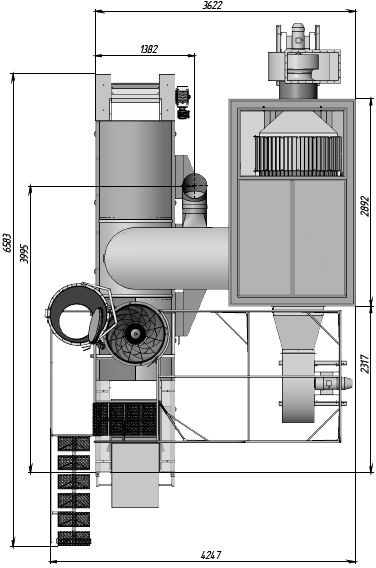
An overview of the physical and performance specifications of the WRPG unit.
Physical Specifications
- Dimensions5m × 15m × 6m
- Weight40 tons
- Burning Space Volume4.5 m³
- Operating Mode24 hours/day
Performance Specifications
- Utilization Rate20 tons/day
- Heat Productivity5–6 MWh
- Power Generation1.2–1.5 MWh
- Operating Temperature1000–1300°C
System Parameters Visualization
Environmental Impact & System Capabilities
Aligned with UN Climate Goals, our tech delivers sustainability through advanced waste recycling and clean power.
Environmental Benefits
Reduced Emissions
High-temp processes ensure complete decomposition with no harmful byproducts.
Energy Efficiency
Vacuum operation and thermal decomposition reduce energy usage.
Resource Recovery
Valuable materials recovered with minimal waste output.
Pollution Control
Gas treatment systems neutralize toxic emissions completely.
Minimal Residue
Only 3–5% of original volume remains post-incineration.
Scientific Advancements
Patented Technology
Achieves clean emissions without requiring additional filters.
Proprietary Developments
Custom engineering ensures full control of the recycling cycle.
Catalytic Innovation
Splits water into H₂ & O₂, transforming it into usable energy.
Eco-Friendly Output
Ash produced contains no carbon and meets all global safety limits.